
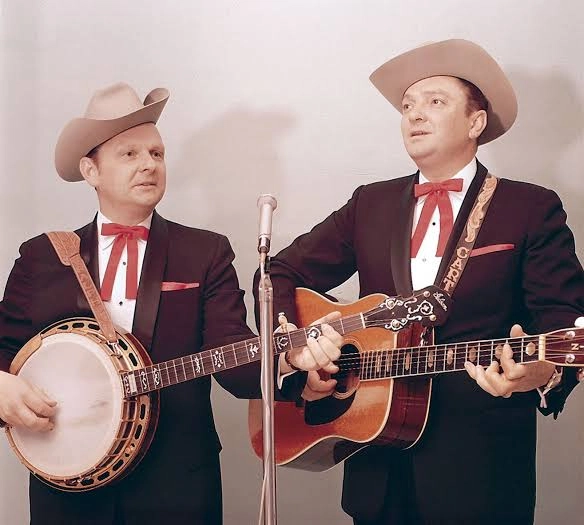
What is bluegrass? It’s an acoustic American genre built on fast picking, tight vocal harmonies, and a small band of string instruments.
Bluegrass grew out of the folk music of Appalachia, mixed with blues, gospel, and early country. Bill Monroe shaped it into its own style in the 1940s.
You’ll recognize it by the rolling banjo, the high, lonesome singing, and the way musicians trade solos like a friendly conversation.
This guide covers the instruments, the history, and the answers to common beginner questions, so you can start listening with confidence.
What Is Bluegrass Made Of? The Six Core Instruments
A classic bluegrass band has no drums and no electric instruments. Each of these six instruments has a specific job in the mix.
Banjo
The five-string banjo drives the sound with Scruggs-style three-finger rolls. It’s usually the first thing you notice in a bluegrass song.
Mandolin
The mandolin plays fast melodies and adds a sharp off-beat chop that works like a snare drum. Bill Monroe made it central to the genre.
Fiddle
The fiddle carries long, singing melody lines and bright solos. It connects bluegrass to old Scottish and Irish dance tunes.
Acoustic Guitar
The guitar holds down the rhythm with steady strumming and bass runs. In modern bands, it also takes flashy flatpicked solos.
Upright Bass
The bass keeps the pulse, usually playing on beats one and three. It gives the band its bounce without needing drums.
Dobro
The dobro is a resonator guitar played with a slide. It adds a sweet, crying tone that sits between the fiddle and the vocals.
A Short History of Bluegrass Music
Bluegrass takes its name from Bill Monroe’s band, the Blue Grass Boys, named after his home state of Kentucky. In the mid-1940s, that band set the template for the genre.
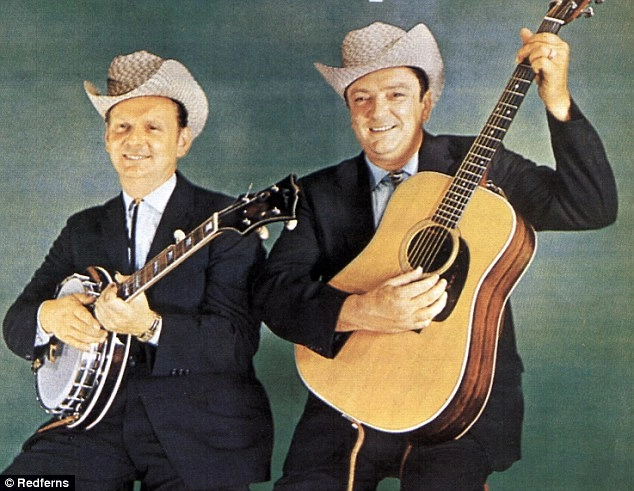
When banjo player Earl Scruggs joined in 1945, his three-finger picking style gave the music its signature speed and drive. Guitarist Lester Flatt’s smooth vocals rounded out the sound.
Other bands soon copied the lineup, and the style became known simply as bluegrass. Festivals spread across the country in the 1960s and helped the music grow a devoted fan base.
Today, bluegrass reaches new listeners through film soundtracks, streaming, and young players who mix it with rock and jam-band energy.
Bill Monroe, the Father of Bluegrass
Monroe’s mandolin playing and high, lonesome tenor defined the genre’s sound. If you only hear one pioneer, make it him.
Flatt & Scruggs
After leaving Monroe, Lester Flatt and Earl Scruggs formed their own band. You’ve likely heard their Foggy Mountain Breakdown, made famous by the 1967 film Bonnie and Clyde.
Modern Bluegrass Stars
Alison Krauss brought bluegrass to a wide audience, and the 2000 O Brother, Where Art Thou? soundtrack sparked a huge revival. Grammy winner Billy Strings now draws big crowds of new fans.
Bluegrass FAQ for Beginners
New to the genre? These quick answers clear up the questions most beginners ask.
Keep them in mind as you build your first bluegrass playlist.
Bluegrass is fully acoustic and focuses on fast instrumental solos and close harmonies. Country often uses drums, electric guitars, and a more polished radio sound.
Bluegrass grew from folk traditions, but it’s a distinct style with a set band lineup and a faster, more virtuosic approach. Folk is a much broader category.
Newgrass is a progressive branch of bluegrass that began in the late 1960s and 1970s. It brings in rock, jazz, and pop influences while keeping acoustic instruments.
Scruggs-style rolls take practice, but you can learn the basic patterns in a few weeks. Start slowly with a metronome and speed up gradually.
Start with Blue Moon of Kentucky by Bill Monroe and Foggy Mountain Breakdown by Flatt & Scruggs. They show you exactly what is bluegrass at its purest and most joyful.