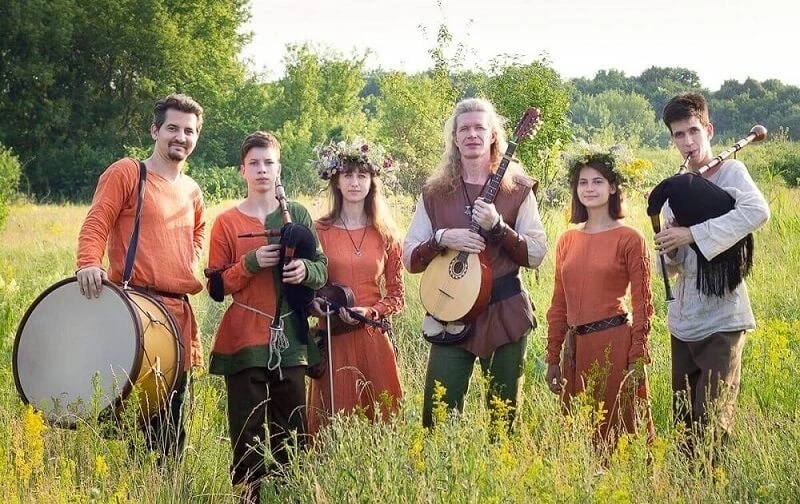
So, what is folk music? At its heart, it’s music made by ordinary people and passed from one person to the next, often by ear and across generations.
You’ve probably sung folk songs without realizing it, from campfire sing-alongs to old lullabies. That shared, handed-down quality is what sets the genre apart.
This guide walks you through the core traits, a short history, and the main styles, so you can recognize folk music the moment you hear it.
The Short Answer: Three Traits That Define Folk Music
Passed Down by Ear
Traditional folk songs spread through singing and listening, not sheet music. Each singer changes a word or a melody slightly, so one song can exist in dozens of versions.
Made by Ordinary People
Folk music comes from farmers, sailors, miners, and families rather than trained composers. The songs describe everyday work, love, loss, and community life.
Built to Be Shared
Simple melodies and repeating choruses make folk songs easy for you to join in on. The music is meant to be sung together, not just performed on a stage.
A Quick History of Folk Music
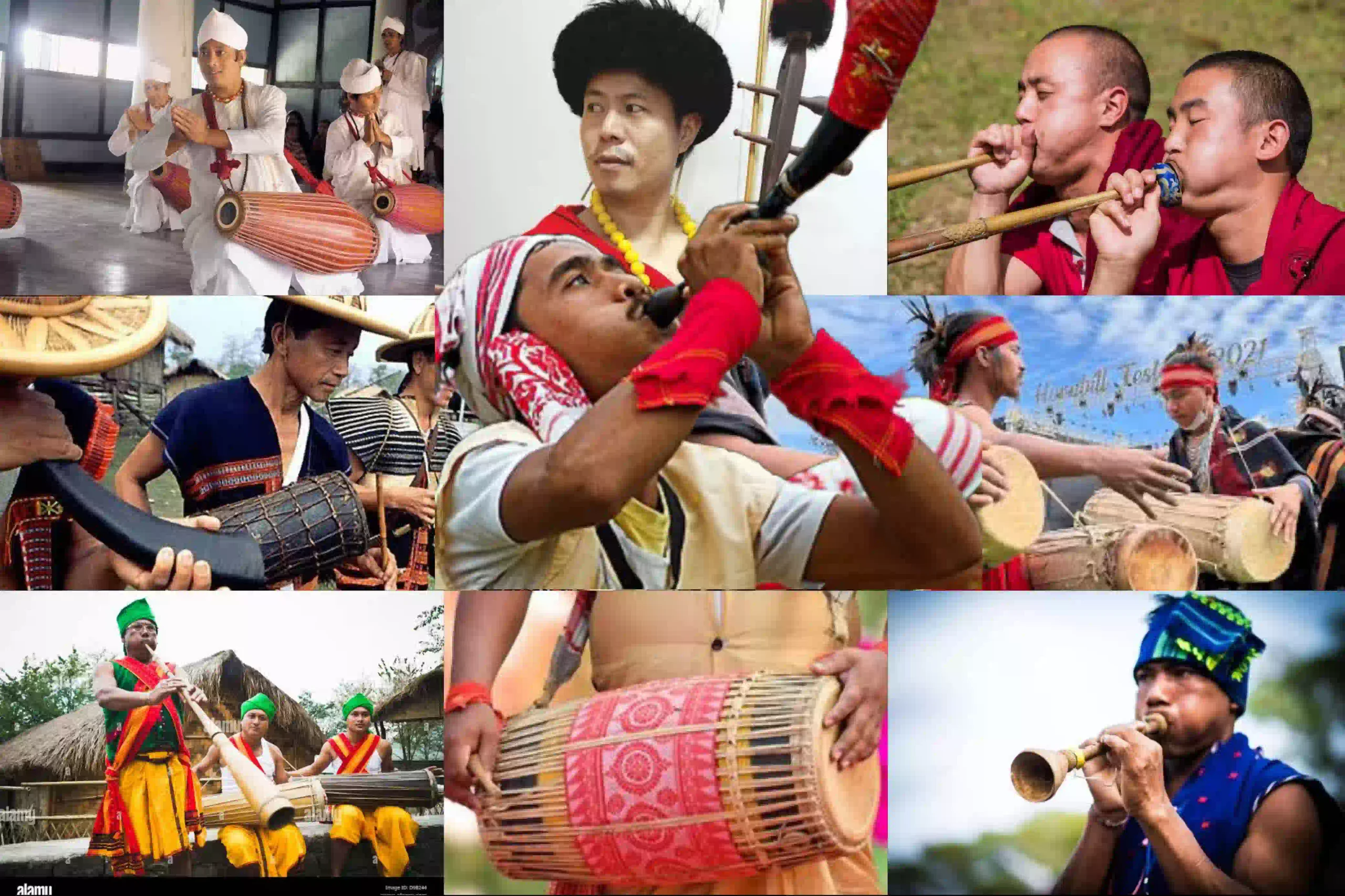
Folk traditions exist in almost every culture on earth, from Irish ballads to West African griot songs. The English-language tradition most people mean today grew from ballads carried from the British Isles to North America.
In the United States, those ballads mixed with African American spirituals, work songs, and blues. That blend shaped nearly every style of American roots music that followed.
In the 1930s, collectors like John and Alan Lomax traveled the country recording everyday singers for the Library of Congress. Their field recordings preserved thousands of songs that might otherwise have vanished.
Woody Guthrie and Pete Seeger then turned folk into a voice for working people and social causes. Their songs showed you could use a simple tune to say something important.
The 1960s folk revival brought the genre to a massive audience through artists like Joan Baez and Bob Dylan and events like the Newport Folk Festival. Today, that same spirit lives on in Americana, bluegrass, and indie folk.
What Is Americana Music
What Is Bluegrass
Indie Folk Music
Types of Folk Music Worth Knowing
Folk isn’t a single sound. Here are six styles you’ll run into as you explore, each with its own flavor.
Traditional Ballads
These are long story songs, often centuries old, about love, murder, and adventure. Start with a recording of Barbara Allen to hear how many versions one ballad can have.
Protest Songs
Protest folk puts social and political messages into easy-to-sing tunes. Pete Seeger’s We Shall Overcome performances and Bob Dylan’s Blowin’ in the Wind are classic entry points.
Celtic Folk
Irish and Scottish folk leans on fiddles, tin whistles, and lively dance rhythms. You’ll hear it in pub sessions and in bands like The Chieftains.
Appalachian Folk
This mountain tradition features banjo, fiddle, and high, lonesome singing. It laid much of the groundwork for bluegrass and old-time music.
Folk Rock
In the mid-1960s, artists began plugging folk songs into electric guitars and drums. The Byrds and Simon & Garfunkel are great places for you to start.
Contemporary and Indie Folk
Modern artists like Bon Iver, Fleet Foxes, and Big Thief write new songs using folk’s acoustic sounds and honest storytelling. So when someone asks you what is folk music today, the answer includes both the old ballads and these fresh voices.